Quick Pothole Repair: No Equipment Needed
Road Maintenance, Pothole Repair, Business & Government Agencies
Step-by-Step: How to Fix a Pothole in Minutes with Zero Specialised Equipment
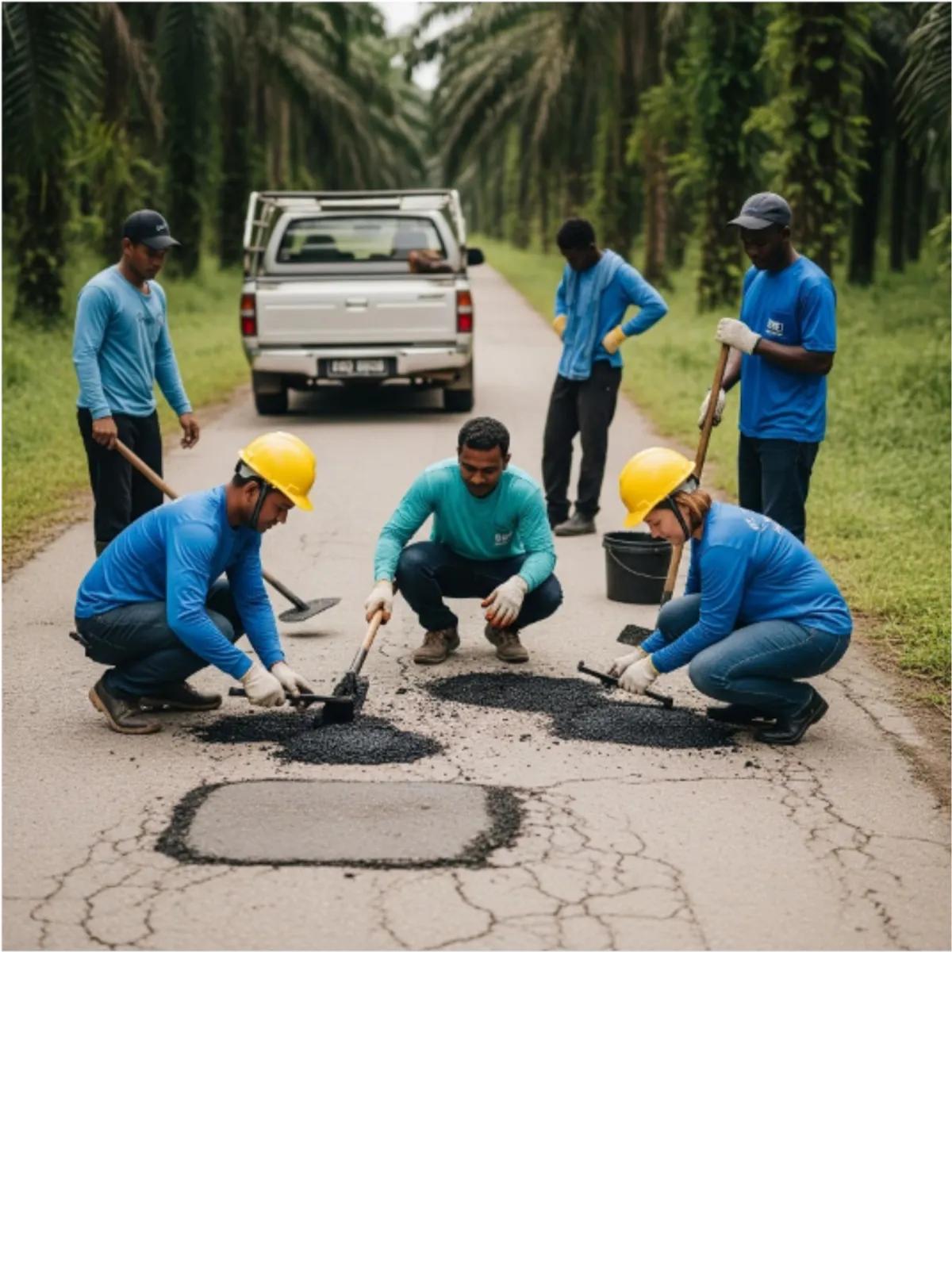
If you manage roads, parking lots, or facility access routes, you know how fast a small pothole can turn into a big headache! The good news? With the right cold mix material, your crews can repair potholes in just minutes—no specialised equipment, no tack coat, and no downtime for traffic!
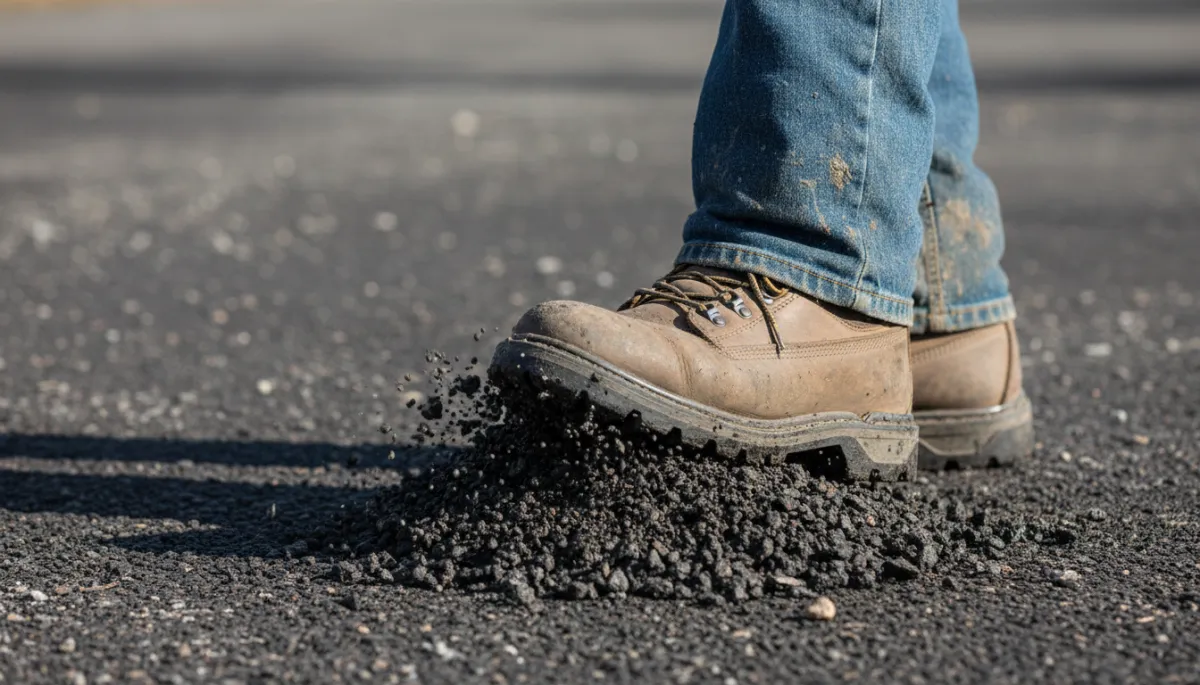
Fix Potholes in Minutes
No specialised equipment, no road closures, no hassle
Why Fast, Simple Pothole Repair Matters for Agencies and Businesses
Potholes are more than an eyesore—they are a safety risk, a liability, and a constant source of complaints! For municipalities, facility managers, and logistics operators, traditional hot-mix repairs can be slow, equipment-heavy, and weather-dependent. That often means delays, detours, and frustrated road users.
An innovative cold patch solution changes the game. It is ready-to-use, environmentally considerate, and designed for quick fixes that last. Even better, it eliminates entire steps from the traditional process—no tack coat, no primer, and no waiting for curing. Just prep, pour, compact, and reopen the road immediately!
Step 1: Quick Prep – Clean, Shape, and Check Depth
Start by giving your crew one simple goal: remove anything that stops the mix from bonding! There is no need for cutting saws or heavy machinery—basic hand tools will do the job for most repairs.
Clear loose debris, standing water, and dust with a broom, shovel, or blower.
Remove loose asphalt chunks and weak edges so the mix bonds to solid material.
Aim for vertical or slightly tapered edges; this helps lock the repair in place!
That is it for prep—no primers, no tack coat, and no heating required. By removing those extra steps, you reduce labor hours and simplify planning for your teams.
Step 2: Pour – Place the Mix and Slightly Overfill
Next, open the bag or container and pour the cold mix directly into the pothole. Because the product is engineered for workability, your crew can place it easily, even in cool or damp conditions!
Fill the hole in layers if it is deeper than a few inches, lightly tamping each layer.
Slightly overfill the final layer—about 1–2 cm above the surrounding surface.
Shape the surface roughly with a shovel or rake so compaction is easier.
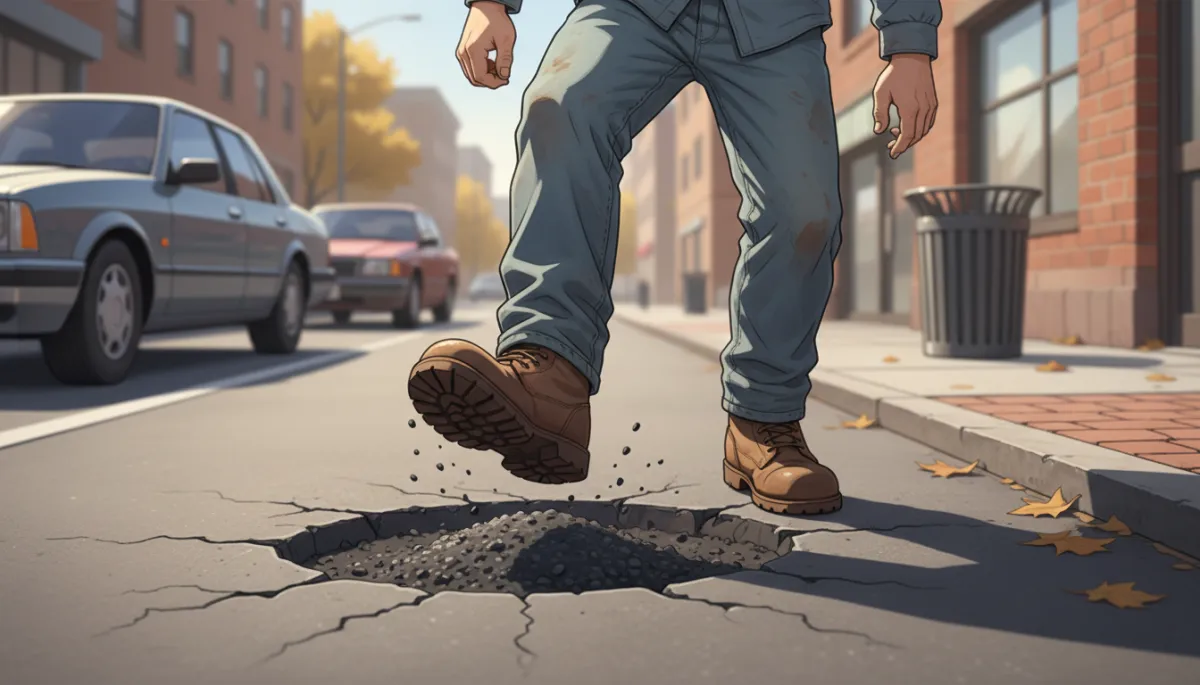
Simple hand compaction delivers durable, traffic-ready repairs in just minutes.
Step 3: Compact – Make It Tight, Then Open to Traffic Immediately!
Compaction is where your repair gains strength! The beauty of a modern cold mix is that it compacts quickly with tools your crew already owns—no rollers or plate compactors required for most small to medium potholes.
Use a hand tamper, the back of a shovel, or even vehicle tires to compact.
Compact until the patch is level with the existing surface and feels firm.
Brush away any loose material around the edges for a clean finish!
Once compacted, the repair is immediately ready for traffic. There is no curing window, no cones needed for hours, and no disruption to bus routes, emergency vehicles, or delivery schedules. Cars and trucks actually help further densify the mix, improving long-term performance.
Smarter, Greener Maintenance for Your Network
For businesses and agencies, this simple three-step process—prep, pour, compact—means you can stretch maintenance budgets further while keeping roads safer and smoother. Fewer truck trips, no heating, and less wasted material all support your environmental goals, too!
Equip your crews with a cold mix that needs no tack coat or primer, works year-round, and lets you reopen lanes immediately after compaction. You will reduce complaints, cut downtime, and show your community that you are investing in smarter, more sustainable road maintenance!