Understanding JKR Approval for Road Maintenance
Infrastructure, Road Maintenance, JKR Approval
What JKR Approval Means for Your Municipal Road Maintenance Strategy
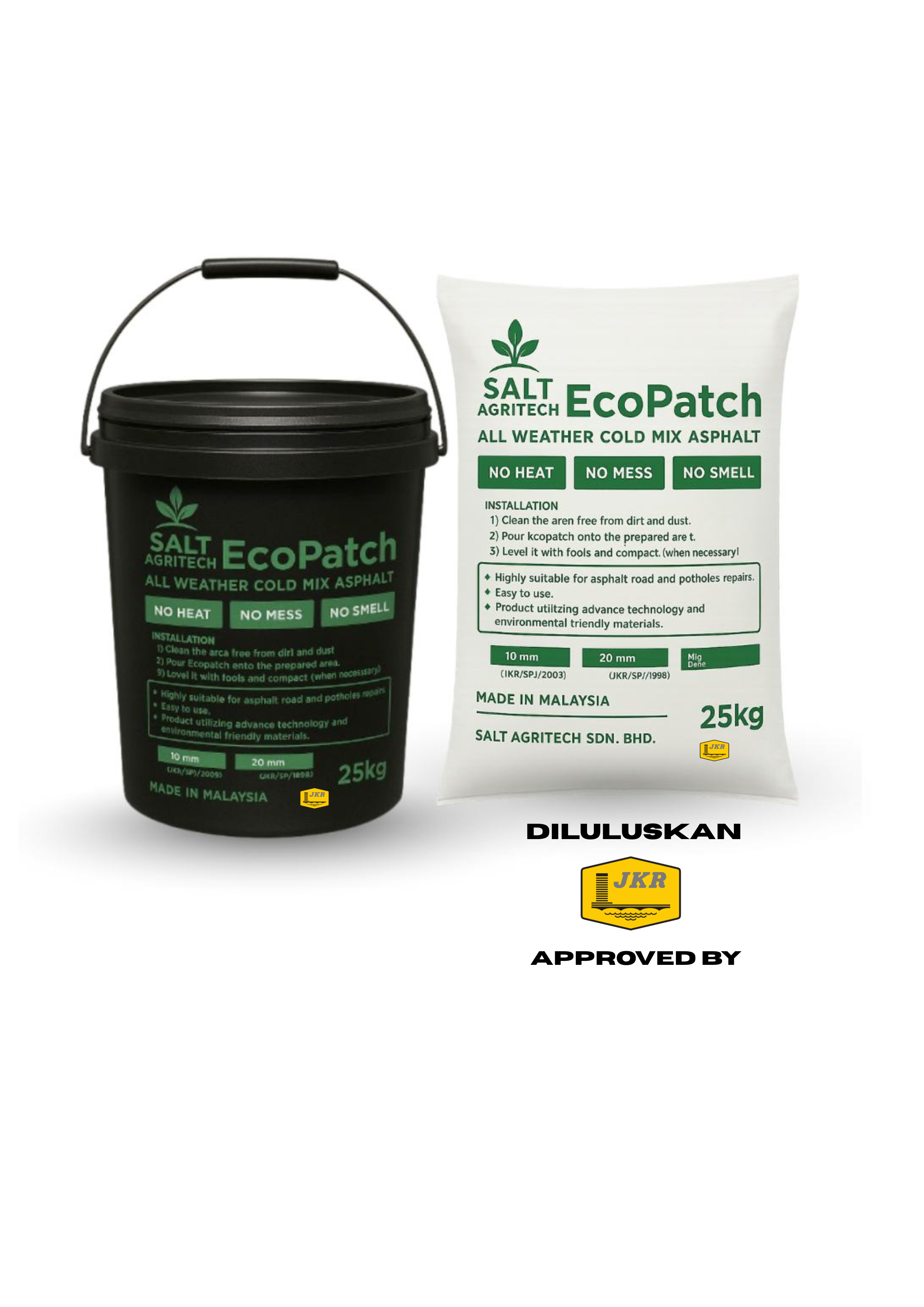
For local councils and road maintenance contractors, every kilometre of pavement is a public promise: safe journeys, reliable access, and smart use of taxpayer money. Choosing materials that carry the “DILULUSKAN / APPROVED BY JKR” badge is one of the most effective ways to keep that promise while protecting your budget and reputation.
Why the JKR Badge Matters to Councils and Contractors
The Jabatan Kerja Raya (JKR) sets the benchmark for national infrastructure standards. When a material carries the “DILULUSKAN / APPROVED BY JKR” badge, it has already passed a rigorous process of testing, evaluation, and compliance checks against official specifications for Malaysian roads and public works.
For local councils, this means confidence that your road maintenance projects are aligned with federal standards. For contractors, it means fewer disputes, smoother approvals, and a clear signal to clients that you are using materials trusted across the country for critical public infrastructure.
Guaranteed Quality: Tested for Real-World Conditions
Roads face constant punishment: heavy vehicles, tropical rain, standing water, and high temperatures. JKR-approved materials are tested for strength, durability, and performance under these exact conditions. This includes:
Resistance to rutting, cracking, and surface deformation
Consistent binder quality and aggregate grading for asphalt mixes
Compliance with JKR mix designs and performance criteria
By specifying materials with the JKR approval badge, councils and contractors effectively outsource the technical risk assessment to a trusted authority. You do not need to re‑test every product from scratch; the government has already done the heavy lifting on quality control.
Safer Roads and Reduced Liability
Premature potholes, slippery surfaces, and failed patches are not just maintenance issues; they are safety hazards. When accidents occur, questions quickly arise about whether proper materials and standards were used. Being able to show that your project used “DILULUSKAN / APPROVED BY JKR” products provides a clear, documented defence that you followed recognised best practice.
For councils, this reduces exposure to public complaints and potential legal claims. For contractors, it protects your brand and your future bids. In both cases, JKR certification acts as a shared safety assurance between client, supplier, and contractor.
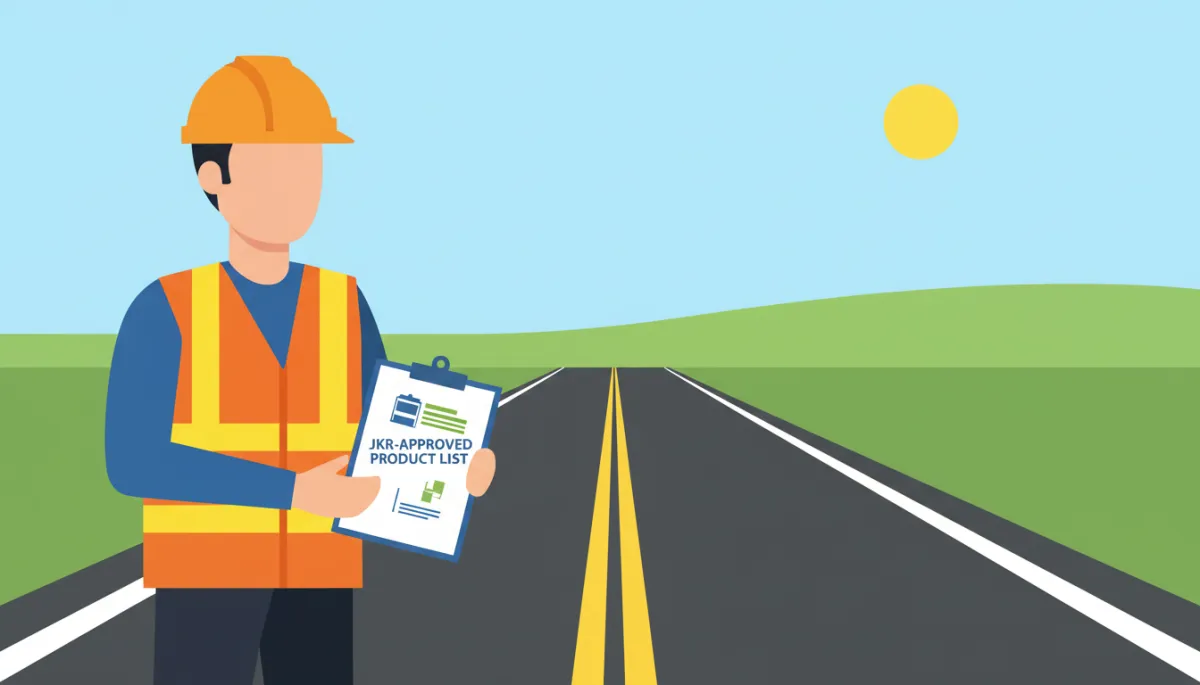
JKR-approved materials help councils deliver safer, smoother roads with fewer failures.
Longevity and Better Lifecycle Economics
Cheap, uncertified materials can look attractive on paper, but they often lead to shorter pavement life, more frequent patching, and escalating maintenance budgets. JKR-approved products are selected for their ability to deliver long‑term performance, not just low upfront cost.
When your roads last longer between interventions, you gain:
Lower total cost of ownership over the asset’s life
Fewer traffic disruptions from repeated works
More predictable budgeting and planning for future resurfacing cycles
💡 Pro Tip: In tender documents, specify “materials must carry the DILULUSKAN / APPROVED BY JKR badge” to protect quality and avoid costly substitutions on site.
Building Public Trust Through Visible Standards
Ultimately, road users may never read a technical specification, but they will feel the difference between a road that fails in one monsoon season and one that lasts for years. When you can point to JKR-approved materials in your communication with councillors, residents, and auditors, you show that your team is serious about quality, safety, and longevity.
For local councils and contractors alike, integrating the “DILULUSKAN / APPROVED BY JKR” badge into your material selection is more than a compliance box. It is a strategic decision that strengthens your municipal road maintenance programme, safeguards public funds, and delivers the durable, safe infrastructure your community expects.