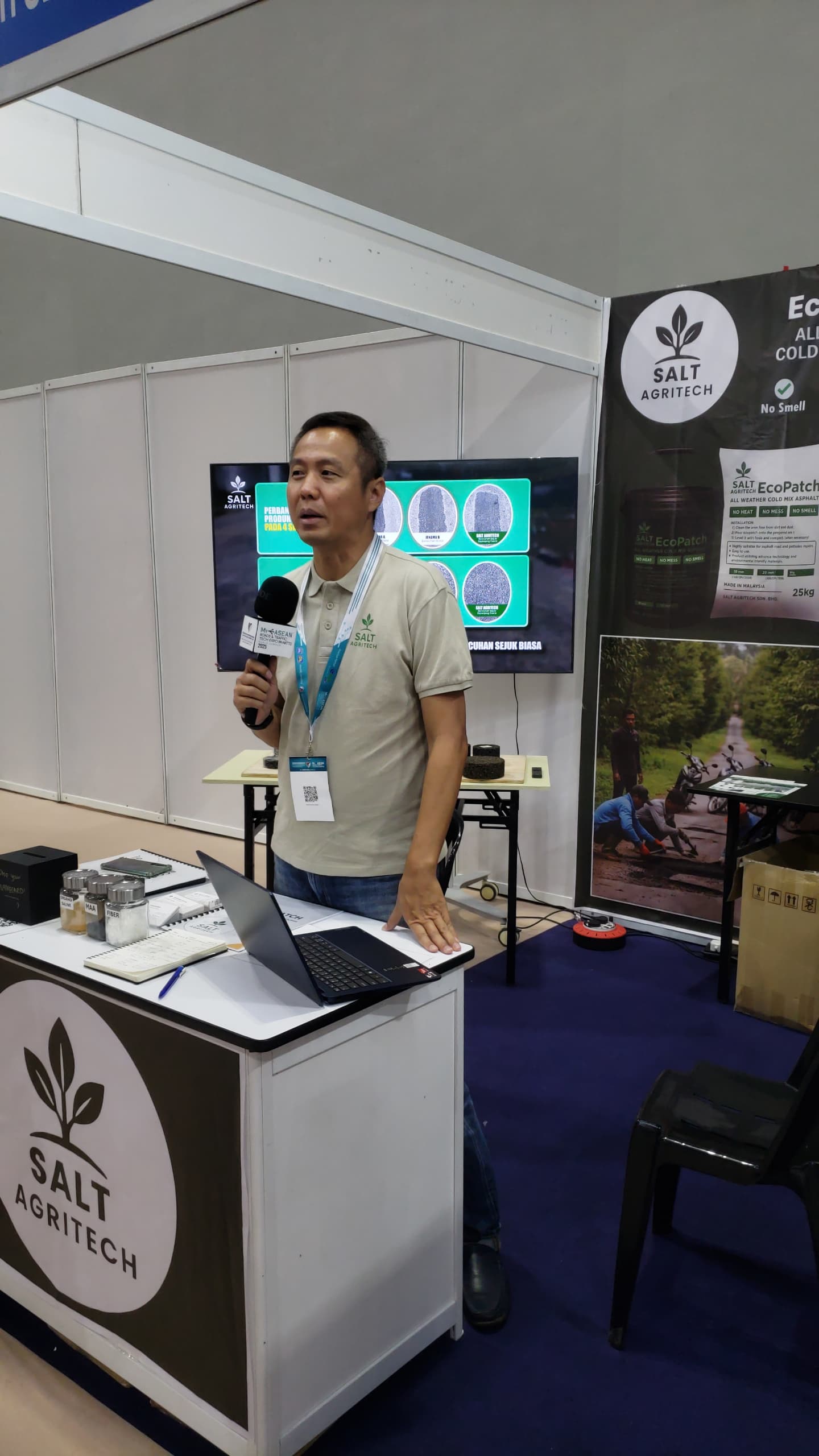
Eco-Friendly Cold-Mix Pavement Repair Benefits
Infrastructure, Sustainability, Pavement Repair
Going Green on the Grid: The Environmental Benefits of Cold-Mix Pavement Repair
For eco-conscious organisations and forward-thinking councils, every maintenance decision on the road network is an opportunity to reduce environmental impact. Cold-mix pavement repair offers a practical, low-carbon alternative to traditional hot asphalt, helping you meet sustainability targets without compromising performance or safety.

Repairing Roads with a Lower Carbon Footprint
Cold-mix pavement solutions that align with modern sustainability goals
Why Cold-Mix Matters for Sustainable Road Networks
Traditional hot-mix asphalt is energy-intensive. Aggregates and bitumen must be heated to high temperatures, often above 150 °C, before being transported to the site and compacted. Each step consumes fossil fuel and generates greenhouse gas emissions. By contrast, cold-mix pavement repair is designed to be used straight from the container at ambient temperatures, eliminating the need for burners, boilers, or on-site heating equipment.
For corporate asset managers and local authorities under pressure to decarbonise operations, this shift in process is significant. It transforms everyday pothole and patch repairs from a carbon-heavy necessity into a measurably greener intervention that supports broader climate commitments and ESG reporting.
Cutting Carbon by Eliminating Asphalt Heating
The most immediate environmental benefit of cold-mix pavement repair is the reduction in carbon emissions from fuel consumption. Hot-mix plants burn large volumes of gas or oil to heat aggregates, while additional energy is used to keep material hot during transport and on-site. Every tonne of hot asphalt carries an embedded carbon cost before it even reaches the road.
Cold-mix products are manufactured under controlled conditions and supplied ready to use. Crews simply open, place, compact, and reopen the road. No burners, no re-heating, and no idling of heavy plant solely to maintain temperature. This streamlined process can:
Reduce direct fuel use on site, lowering CO2 and NOx emissions
Cut the number of vehicle movements by enabling small, targeted repairs from compact vehicles
Minimise waste, as unused cold-mix can often be stored and applied later
Over a full maintenance season, these marginal gains add up. For organisations managing extensive road networks, the cumulative carbon savings from switching routine repairs to cold-mix can be substantial, supporting net-zero roadmaps and sustainability reporting with tangible, auditable data.
Non-Toxic Formulation for Safer People and Places
Sustainability is not only about carbon; it is also about protecting people and ecosystems. Many modern cold-mix solutions are engineered with a non-toxic formulation, free from hazardous solvents and high levels of volatile organic compounds (VOCs). This has meaningful benefits for operatives, road users, and nearby communities.
Unlike hot asphalt, which can release strong fumes and odours, non-toxic cold-mix products are low odour and emit minimal vapours. This helps create a healthier working environment, reduces the need for heavy respiratory PPE, and lowers the risk of complaints in residential or sensitive urban areas such as schools and hospitals. For councils and corporations with strict health, safety, and environmental policies, this aligns neatly with internal governance standards and duty-of-care obligations.

Non-toxic cold-mix formulations protect workers and nearby communities from harmful fumes.
Aligning Road Maintenance with ESG and Community Expectations
Eco-conscious corporate clients and progressive councils increasingly view road maintenance through an ESG lens. Decisions are assessed not just on upfront cost, but on lifecycle impact, resilience, and community wellbeing. Cold-mix pavement repair supports this broader perspective by:
Demonstrating visible action on climate commitments through lower-carbon maintenance methods
Reducing disruption, as fast application and curing times shorten lane closures and congestion
Supporting safer, cleaner streets with low-odour, non-toxic repair materials
A Practical Step Toward Greener Infrastructure
Transitioning to cold-mix pavement repair is a straightforward, operational change that can yield outsized sustainability benefits. By eliminating asphalt heating, reducing fuel use, and adopting non-toxic formulations, organisations can make everyday maintenance activities part of a credible climate and health strategy.
For corporates managing large estates, or councils responsible for public roads, the message is clear: greener infrastructure does not always require major capital projects. Sometimes, it starts with the material in the back of the maintenance truck. Choosing cold-mix pavement repair is a simple, visible way to align your road network with the low-carbon, low-toxicity future your stakeholders expect.